Baby Crib & Cot Buying Guide for Malaysian Parents (2026)
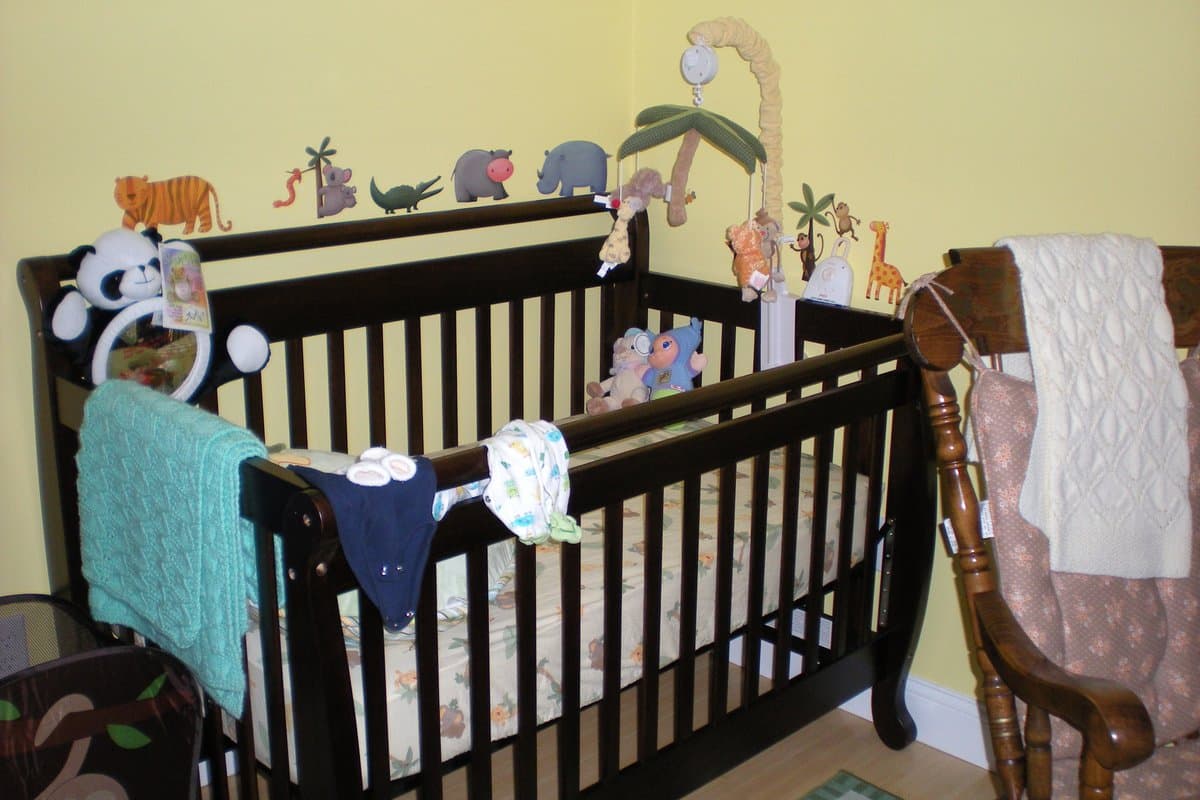
Everything Malaysian parents need to know about choosing a baby crib or cot — types, safety standards, features, and practical advice tailored to our tropical climate and living spaces.
Why the Right Crib Matters
Every Malaysian parent faces the same question when preparing for a newborn's arrival: "Where will my baby sleep?" The answer isn't just about comfort — it's about safety, longevity, and finding a solution that works in our climate, our homes, and our wallets.
A baby crib (also called a cot) is one of the most significant purchases you'll make. Your baby will spend thousands of hours sleeping in it during their first years. But with countless options, safety standards to understand, and prices ranging from a few hundred ringgit to several thousand, how do you choose the right one?
This comprehensive guide breaks down everything Malaysian parents need to know about baby cribs in 2026 — the types available, safety standards you must know, features worth paying for, and practical advice tailored to our tropical climate and living spaces.
Why the Right Crib Matters
A good crib does more than provide a place for your baby to sleep. It:
- Protects your baby from falls, entrapment, and SIDS (Sudden Infant Death Syndrome)
- Supports healthy sleep with proper mattress support and ventilation
- Grows with your child through convertible designs that last years
- Fits your lifestyle whether you live in a condo, landed home, or rental
- Withstands Malaysia's humidity without warping, mould, or deterioration
Choosing the wrong crib can mean safety hazards, wasted money, and countless sleepless nights. Getting it right means peace of mind and a safe, comfortable sleep environment for your little one.
Malaysia's Climate and Your Choice
Malaysia's hot, humid weather (year-round temperatures of 26-35°C with 70-90% humidity) presents unique challenges for baby furniture:
- Mould and mildew thrive in damp conditions
- Wood can warp or crack if not properly treated
- Ventilation is critical to prevent overheating
- Mattress materials matter — foam can trap heat, while some natural materials breathe better
When choosing a crib for Malaysia, prioritize:
- Moisture-resistant finishes and materials
- Good air circulation around the mattress
- Breathable bedding materials
- Easy-to-clean surfaces that resist mould
Types of Baby Cribs in Malaysia
1. Standard Fixed-Side Cribs
The traditional crib design with four fixed sides. Simple, sturdy, and typically the most affordable option.
How they work: A rectangular frame with fixed sides, an adjustable mattress base, and usually one or two sides that can be lowered (drop-side cribs are now banned for safety reasons).
Pros:
- Most affordable option (RM 300-800)
- Simple and sturdy construction
- No moving parts to break or malfunction
- Wide selection of designs and finishes
Cons:
- Fixed height can make it harder to lift your baby in and out
- Takes up permanent space
- Cannot be converted to other uses
Best for: Budget-conscious parents, those who prefer simplicity, or as a second crib for grandparents' homes.
Popular models in Malaysia:
- Delta Children Canton (RM 400-600)
- DaVinci Kalani (RM 500-700)
- Local brands like Cots & Cots (RM 300-500)
2. Convertible Cribs (Multi-Stage)
The most popular choice for parents who want long-term value. These cribs transform from infant crib to toddler bed, daybed, and sometimes even a full-size bed.
How they work: The crib frame is designed with removable sides and adjustable components. As your child grows, you convert it to different configurations.
Conversion stages typically include:
- Crib (newborn to 2-3 years)
- Toddler bed (2-5 years) — remove one side, add safety rail
- Daybed (3-7 years) — remove all sides, use back as headboard
- Full-size bed (7+ years) — some models include conversion kit
Pros:
- Excellent long-term value — one purchase lasts years
- Grows with your child from birth through childhood
- Often higher quality construction
- Familiar sleep environment through transitions
Cons:
- Higher upfront cost (RM 600-2,000+)
- Conversion kits may need to be purchased separately
- Some parents never actually use all conversion stages
- Takes up more space than basic cribs
Best for: Parents planning multiple children, those who value long-term investment, or anyone wanting to avoid buying multiple beds.
Popular models in Malaysia:
- Delta Children Essex 4-in-1 (RM 800-1,200)
- Graco Benton 4-in-1 (RM 700-1,000)
- Stokke Sleepi (RM 2,500-3,500) — premium European design
3. Bedside Cribs (Co-Sleepers)
Designed to attach to the parents' bed, allowing easy access for night feeds and comforting while maintaining a separate sleep surface for the baby.
How they work: One side of the crib is lower or removable, allowing it to be secured against the adult bed. The baby sleeps in their own safe space but within arm's reach.
Pros:
- Easy access for breastfeeding and night comforting
- Promotes bonding while maintaining safe sleep practices
- Reduces the need to get out of bed for night feeds
- Some models are portable for travel
Cons:
- Limited lifespan — most are only suitable for the first 6-12 months
- Requires adult bed to be at compatible height
- Can be more expensive than standard cribs (RM 500-1,500)
- Not all adult beds are compatible
Best for: Breastfeeding moms, parents who want close contact but safe sleep, or those recovering from C-sections who want to minimize movement.
Popular models in Malaysia:
- Chicco Next2Me (RM 700-900)
- Babybjörn Cradle (RM 800-1,200)
- Arm's Reach Concepts Co-Sleeper (RM 600-800)
4. Portable / Travel Cribs
Lightweight, foldable cribs designed for easy transport and storage. Perfect for travel or as a secondary sleep space.
How they work: Made with lightweight materials (often aluminum or light wood) and folding mechanisms. Many come with a carrying case.
Pros:
- Highly portable and easy to store
- Great for travel and visiting family
- Often more affordable than full-size cribs
- Some double as playpens
Cons:
- Less sturdy than permanent cribs
- Mattress is often thinner and less supportive
- Not designed for long-term, everyday use
- Weight limits are typically lower (around 15 kg)
Best for: Frequent travelers, grandparents who babysit occasionally, or as a secondary crib for short stays.
Popular models in Malaysia:
- Graco Pack 'n' Play (RM 400-600)
- Babylo Travel Cot (RM 300-500)
- Lotus Travel Crib (RM 600-800) — lightweight backpack-style
5. Mini Cribs
Smaller versions of standard cribs, designed for compact spaces.
How they work: Same basic design as a standard crib but with smaller dimensions (typically 100 x 50 cm vs 120 x 60 cm for standard).
Pros:
- Perfect for small apartments and condos
- Takes up less floor space
- Often lighter and easier to move
- Still provides a safe sleep environment
Cons:
- Baby will outgrow it sooner (usually by 18-24 months)
- Less space for baby to move around
- Fewer design options available
- May need to be replaced sooner than a standard crib
Best for: Small Malaysian condos, apartments, or rooms with limited space.
Popular models in Malaysia:
- DaVinci Alpha Mini Rocking Crib (RM 400-600)
- Babyletto Origami Mini Crib (RM 500-700)
- Local custom mini cribs (RM 300-500)
Crib vs. Cot: What's the Difference?
In Malaysia, the terms "crib" and "cot" are often used interchangeably, but there are technical differences:
| Feature | Crib | Cot |
|---|---|---|
| Origin | American term | British/European term |
| Sides | Typically has slats on all sides | Often has one or two solid ends |
| Height | Usually taller | Usually lower to ground |
| Mattress position | Often adjustable to multiple heights | Usually fixed or 2-3 positions |
| Common in Malaysia | Increasingly popular | Traditional choice |
For Malaysian parents, the practical differences are minimal. Focus on safety, quality, and features rather than the terminology.
Safety Standards You Must Know
International Safety Standards
When buying a crib in Malaysia, look for these safety certifications:
1. EN 716 (European Standard)
- The most common standard in Malaysia
- Ensures strict safety requirements for design, materials, and construction
- Look for "EN 716-1:2017" or "EN 716-2:2017" labels
2. ASTM F1169 (American Standard)
- US safety standard for full-size cribs
- Similar requirements to EN 716
- Common on imported American brands
3. JPMA Certification
- Juvenile Products Manufacturers Association (US)
- Indicates the product meets or exceeds safety standards
- Look for the JPMA certification seal
4. SIRIM (Malaysia)
- Local certification that may appear on some products
- Less common for imported cribs but worth checking
Critical Safety Features
Slat Spacing
- Slats must be no more than 6 cm (2.4 inches) apart
- Prevents baby's head from getting trapped
- Test with a soda can — if it fits through, slats are too wide
Mattress Fit
- Mattress must fit snugly with no gaps larger than 2 fingers
- Gaps can create entrapment hazards
- Measure the interior dimensions before buying a mattress
Corner Posts
- Corner posts should not extend more than 1.5 mm above the crib ends
- Tall posts can catch clothing and create strangulation risk
Drop-Side Ban
- Drop-side cribs (with one side that lowers) are banned in many countries
- Avoid any crib with moving sides
- Fixed-side cribs are the safe choice
Hardware
- All screws, bolts, and hardware must be tight and secure
- No sharp edges or protruding parts
- Check for missing or loose pieces regularly
Lead-Free Finish
- Paint and finishes must be non-toxic and lead-free
- Look for "non-toxic" or "low VOC" labels
- Avoid antique or heirloom cribs (may contain lead paint)
Key Features to Look For
Adjustable Mattress Height
Most cribs offer 2-4 mattress position settings. This allows you to:
- Start at the highest position for newborns (easier to lift baby in and out)
- Lower as baby grows and starts pulling up (prevents climbing out)
- Find the right height for your comfort and safety
Timeline for lowering:
- Newborn to 3 months: Highest position
- 3-6 months: Middle position
- 6+ months (or when baby can sit up): Lowest position
- When baby can stand: Lowest position only
Teething Rails
Babies love to chew on crib rails when teething. Teething rails are protective covers (usually plastic) that:
- Protect the crib finish from damage
- Prevent baby from ingesting wood or paint chips
- Provide a safe chewing surface
- Are typically removable and easy to clean
Not all cribs include teething rails, but they're a valuable feature that can extend the life of your crib.
Under-Crib Storage
Some cribs come with built-in drawers or storage space underneath. This is perfect for:
- Extra bedding and blankets
- Diapers and wipes
- Sleep sacks and swaddles
- Backup pajamas
Consider: Storage adds to the crib's footprint. Measure your space carefully if the crib has drawers.
Rolling Casters
Wheels or casters make the crib easy to move for:
- Cleaning underneath
- Rearranging the room
- Moving between rooms (if needed)
Safety note: Look for locking casters that can be secured in place once the crib is positioned.
Convertibility Options
If you're considering a convertible crib, check:
- What conversions are included in the base price?
- What conversion kits need to be purchased separately (and their cost)?
- What weight/age limits apply to each stage?
- Are replacement parts readily available in Malaysia?
Some parents buy a convertible crib but never use the later stages. Be honest about whether you'll actually convert it.
Mattress Matters: Choosing the Right One
The mattress is just as important as the crib itself. A good mattress provides:
- Firm, flat surface for safe sleep
- Proper support for developing spine
- Breathable materials to prevent overheating
- Waterproof protection against accidents
Mattress Types
1. Foam Mattresses
- Lightweight and affordable (RM 100-300)
- Made from high-density polyurethane foam
- Look for "high-density" or "dual-density" foam
Pros: Lightweight, affordable, easy to clean Cons: Can retain heat, may develop indentations over time
2. Innerspring Mattresses
- More expensive (RM 200-500)
- Steel coil support with padding layers
- Generally more durable than foam
Pros: More durable, better support, longer lifespan Cons: Heavier, more expensive
3. Organic/Natural Mattresses
- Premium option (RM 400-1,000+)
- Made from natural materials: coconut coir, latex, wool, organic cotton
Pros: Breathable, natural materials, no off-gassing Cons: Very expensive, limited availability in Malaysia
Mattress Size
Standard crib mattress size: 120 cm x 60 cm (approximately 47" x 24")
Important: Measure the interior of your crib before buying a mattress. There should be no gaps larger than 2 fingers between the mattress and crib sides.
Firmness Test
A crib mattress must be firm. Soft mattresses increase SIDS risk. Test firmness by:
- Pressing on the center — it should spring back immediately
- Placing baby on it — they shouldn't sink in
- The "weight test" — it should support your weight without excessive sagging
Price Guide: How Much Should You Spend?
| Budget | What You Can Expect | Who It's For |
|---|---|---|
| Under RM 400 | Basic fixed-side crib, foam mattress included, simple design | Budget-conscious parents, second cribs for grandparents |
| RM 400-800 | Good quality fixed-side or basic convertible crib, decent mattress | Most parents — sweet spot of quality and value |
| RM 800-1,500 | Premium convertible crib with good mattress, additional features | Parents wanting long-term value and quality |
| RM 1,500-3,000 | High-end convertible or designer crib, premium mattress, excellent craftsmanship | Parents who prioritize design and premium materials |
| RM 3,000+ | Luxury European brands (Stokke, etc.), multi-functional designs, exceptional quality | Parents who want investment pieces and design statements |
Money-saving tips for Malaysian parents:
- Wait for sales: Shopee and Lazada Mega Campaigns (March, June, August, November, December) often have 20-40% discounts
- Check baby fairs: The Baby Expo and other baby fairs in KL, Penang, and Johor often have exclusive deals
- Consider local brands: Malaysian brands like Cots & Cots offer good quality at lower prices
- Bundle deals: Some sellers offer crib + mattress + bedding packages at discounted prices
- Second-hand: Cribs are generally safe to buy second-hand IF they meet current safety standards and are in good condition. Never buy a second-hand mattress.
Where to Buy Baby Cribs in Malaysia
Online Marketplaces
Shopee Malaysia
- Widest selection of local and imported brands
- Frequent sales and vouchers
- Read reviews carefully before purchasing
- Check seller ratings and return policies
Lazada Malaysia
- Similar range to Shopee
- LazMall guarantees authenticity
- Often has bundle deals
- Customer service is generally responsive
Physical Baby Stores
Kiddy Palace
- Multiple locations in Klang Valley
- See and test cribs in person
- Knowledgeable staff
- Price-matching policies may apply
Mamours
- Premium baby gear retailer
- High-end brands
- Excellent customer service
- Locations in major malls
Happikiddo
- Wide range of baby products
- Good selection of mid-range cribs
- Online and physical stores
Motherhood
- Budget-friendly options
- Multiple outlets
- Good for essential items
Specialty Nursery Stores
- RaaB Family (raab.com.my) — specializes in cots and nursery furniture
- Local custom furniture makers — can build to your specifications
Department Stores
- Isetan, Parkson, Jusco — sometimes carry premium international brands
- IKEA — affordable, functional cribs with Scandinavian design (RM 300-600 range)
Crib Safety Checklist
Before buying or using a crib, go through this checklist:
Structure
- Slats are no more than 6 cm apart
- No cutouts in the headboard or footboard (can trap head)
- Corner posts don't extend more than 1.5 mm above ends
- No missing, loose, or broken hardware
- No sharp edges or points
Mattress
- Mattress fits snugly (no gap larger than 2 fingers)
- Mattress is firm (baby doesn't sink in)
- Mattress is in good condition (no tears, holes, or sagging)
- Waterproof protector is used
Finish and Materials
- Lead-free, non-toxic finish
- No peeling paint or cracked finish
- No cracked or splintered wood
- No loose glue or adhesive
Assembly and Placement
- Assembled according to manufacturer instructions
- Placed away from windows, curtains, and blind cords
- Not near wall hangings or decorations
- Stable on the floor (use levelers if needed)
- No mobiles or toys hanging within baby's reach
Ongoing Safety
- Lowered mattress position as baby grows
- Checked regularly for loose hardware
- No pillows, blankets, or toys in crib (until age 1+)
- Crib bumper pads NOT used (SIDS risk)
Common Mistakes to Avoid
1. Buying Too Early
Many parents buy their crib months before the baby arrives. This can lead to:
- Changes in preferences or nursery design
- Discovering better options later
- Storage issues if the crib arrives too early
Better approach: Buy 2-3 months before your due date, or even after the baby is born if you have a bassinet for the first few months.
2. Prioritizing Aesthetics Over Safety
Beautiful cribs with intricate designs can be dangerous. Avoid:
- Decorative cutouts that can trap limbs or heads
- Ornate corner posts that can catch clothing
- Wrought iron or scrollwork designs with gaps
- Unfinished or poorly finished wood
Remember: Safety first, aesthetics second. Your baby won't care about the design — they need a safe place to sleep.
3. Using Second-Hand Cribs Without Checking
Used cribs can be safe, but only if you verify:
- It meets current safety standards (avoid cribs made before 2011)
- No recalls have been issued for that model
- All original parts and hardware are present
- No modifications or repairs have been made
- The finish is in good condition (no peeling paint)
Never buy a second-hand mattress.
4. Ignoring Weight and Height Limits
Every crib has maximum weight and height limits. Exceeding them is dangerous:
- Check the manufacturer's specifications
- Monitor your child's growth
- Transition to a toddler bed when limits are reached
- Don't extend use beyond recommended age
5. Using Unsafe Bedding
Soft bedding increases SIDS risk. Avoid in the crib:
- Pillows
- Thick blankets or quilts
- Bumper pads
- Stuffed animals or toys
- Sleep positioners
Safe sleep setup: Firm mattress, fitted sheet only. Use a sleep sack or wearable blanket for warmth.
6. Placing the Crib in Unsafe Locations
Where you put the crib matters:
- Away from windows: Curtains and blind cords are strangulation hazards
- Away from heat sources: Radiators, heaters, or direct sunlight can overheat the baby
- Away from wall decorations: Frames, shelves, or art can fall into the crib
- Not near climbable furniture: Toddlers can use nearby furniture to climb out
Setting Up the Nursery in Malaysia's Climate
Malaysia's tropical climate requires special considerations for your baby's sleep environment:
Temperature Control
The ideal nursery temperature is 18-22°C (65-72°F). In Malaysia:
- Air conditioning is often necessary for comfortable sleep
- Ceiling or standing fans can help with air circulation
- Avoid direct AC blowing on the baby
- Use a room thermometer to monitor temperature
Humidity Management
High humidity (70%+) can make rooms feel stuffy and promote mould growth:
- Dehumidifiers can help in very humid conditions
- Good ventilation is essential — open windows when AC is off
- Waterproof mattress protectors prevent moisture absorption
- Regular cleaning prevents mould and mildew
Bedding Choices
In Malaysia's climate:
- Lightweight, breathable fabrics are essential
- Cotton or bamboo sheets wick moisture and breathe well
- Avoid synthetic fabrics that trap heat
- Muslin or lightweight cotton sleep sacks are ideal
- Layer rather than use thick blankets — easier to adjust temperature
Air Quality
- Air purifiers can help with urban pollution or allergens
- Avoid strong cleaning chemicals near the crib
- No smoking anywhere in the home
- Regular dusting and vacuuming reduces allergens
Crib Maintenance and Care
Daily Care
- Wipe down the crib frame with a damp cloth as needed
- Check mattress for any signs of damage or sagging
- Ensure bedding is clean and dry
- Monitor for any loose parts or unusual sounds
Weekly Care
- Vacuum around and under the crib to reduce dust and allergens
- Wash crib sheets weekly (or more frequently if soiled)
- Inspect all hardware and tighten if necessary
- Check for any signs of mould or mildew (especially in humid areas)
Monthly Care
- Deep clean the crib frame with mild soap and water
- Rotate or flip the mattress (if recommended by manufacturer)
- Check for any wear on teething rails or finishes
- Verify stability and levelness of the crib
When to Replace
Replace the crib if:
- Any parts are broken, missing, or cannot be tightened
- The crib has been modified or repaired improperly
- It doesn't meet current safety standards
- Your child has exceeded weight or height limits
- You notice any structural issues or instability
Transitioning from Crib to Bed
Most children transition from crib to bed between ages 2 and 3. Signs your child is ready:
- Climbing out of the crib (safety hazard)
- Reached the height or weight limit of the crib
- Requesting a "big kid bed"
- Toilet trained and needs nighttime bathroom access
- Consistently sleeps through the night
Transition Tips
- Involve your child in choosing their new bed
- Keep the routine the same — bedtime, stories, etc.
- Use a guard rail initially for safety
- Keep the crib set up for a few weeks in case of regression
- Childproof the room — they can now get out of bed!
Frequently Asked Questions
Do I really need a crib, or can I use a playpen?
While playpens can be used for short naps, they're not designed for overnight, long-term sleep. Cribs offer:
- Better mattress support and quality
- More space for baby to move comfortably
- Sturdier construction for everyday use
- Better safety features for extended sleep
Verdict: Invest in a proper crib for overnight sleep. A playpen is great for daytime use and travel.
Can I use a crib from my first child for my second?
Yes, if:
- It's less than 10 years old and meets current safety standards
- All parts and hardware are present and in good condition
- No recalls have been issued for that model
- The mattress is new (never reuse a second-hand mattress)
Are round cribs safe?
Round cribs are safe if they meet safety standards, but consider:
- Limited bedding options — standard sheets won't fit
- Less common — harder to find replacement parts
- No proven safety advantage over rectangular cribs
- Often more expensive for no additional benefit
Verdict: They're safe, but rectangular cribs offer more practical value.
Should I buy a crib that converts to a full-size bed?
Only if:
- You plan to keep the crib for many years
- You're confident you'll use all conversion stages
- You have space for the eventual full-size bed
- You're willing to invest in quality upfront
Reality check: Many parents never use the full-size conversion. If budget is tight, a standard crib or 3-in-1 convertible may offer better value.
How long will a crib last?
Usage lifespan: 3-5 years for one child
Physical lifespan: 10+ years if well-maintained
The limiting factor is usually your child's growth, not the crib's durability. A quality crib can easily be used for multiple children if properly maintained.
Can I assemble the crib myself?
Yes, most cribs are designed for home assembly. However:
- Follow instructions exactly — don't skip steps
- Two people are often helpful for holding parts
- Check all hardware after assembly
- Test stability before using
- Consider professional assembly if you're not handy
What if my crib is missing a part?
- Contact the manufacturer for replacement parts
- Check online marketplaces for spare parts
- Do NOT use makeshift replacements — safety risk
- If unavailable, replace the crib — don't compromise on safety
Final Thoughts
Choosing the right crib is about balancing safety, comfort, value, and your family's needs. There's no single "best" crib for everyone — only the best crib for your baby, your home, and your budget.
Key takeaways for Malaysian parents:
- Safety is non-negotiable — never compromise on safety standards or features
- Consider our climate — choose materials and finishes that withstand humidity
- Think long-term — convertible cribs offer excellent value if you'll use them
- Measure your space — know exactly what will fit before buying
- Read reviews — learn from other Malaysian parents' experiences
- Buy from reputable sellers — ensure authenticity and warranty coverage
- Register your crib — for safety recalls and warranty
The crib you choose will be where your baby spends thousands of hours sleeping, dreaming, and growing. Take the time to choose wisely, set it up safely, and maintain it well. Your baby deserves nothing less.
Have questions about choosing a crib? Drop a comment below or check out our other baby gear guides for more tips tailored to Malaysian parents.