Car Seat Buying Guide for Malaysian Parents (2026)
8 July 2026
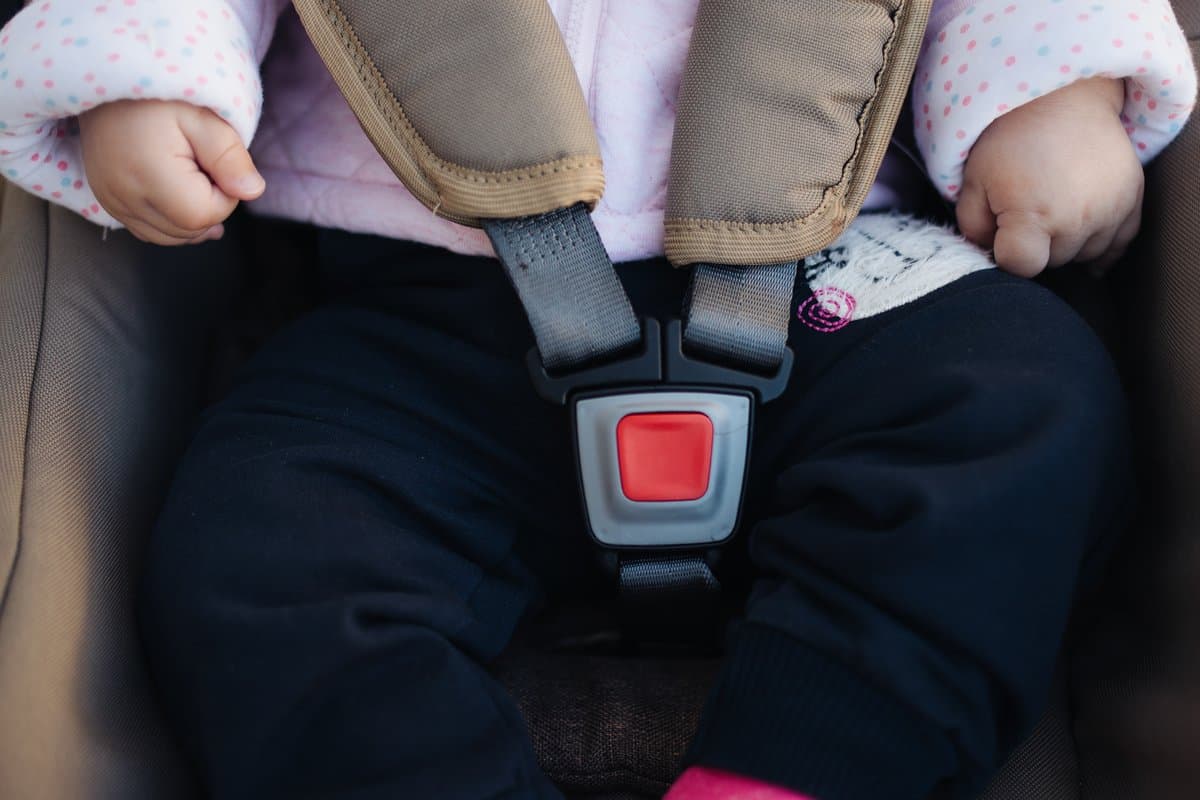
Everything Malaysian parents need to know about choosing a car seat — R129 vs R44 standards, Isofix vs seatbelt, rear-facing duration, rotation features, and common installation mistakes to avoid.
What Is a Car Seat Group and Why It Matters
Car seats are categorised by the weight, height, or age range they are designed to protect. In Malaysia, most car seats follow either the older ECE R44/04 standard (which uses weight groups like 0+, 1, 2, 3) or the newer UN R129 (i-Size) standard (which uses height in centimetres).
Understanding which group your child falls into is the single most important factor in choosing a car seat. A seat that is too large or too small for your child will not protect them properly in a crash.
Here is a quick breakdown:
| Standard | Category | Child Size | Approx. Age |
|---|---|---|---|
| R129 | 40–83 cm | Infant carrier | Birth – ~12 months |
| R129 | 61–105 cm | Toddler seat | ~6 months – 4 years |
| R129 | 100–150 cm | Booster | 4 – ~12 years |
| R44/04 | Group 0+ | Up to 13 kg | Birth – ~12–15 months |
| R44/04 | Group 1 | 9–18 kg | ~9 months – 4 years |
| R44/04 | Group 2/3 | 15–36 kg | 4 – ~12 years |
Pro tip: i-Size (R129) seats are required to keep children rear-facing until at least 15 months. Many safety experts recommend extending rear-facing well beyond that — up to 3–4 years old — because rear-facing dramatically reduces the risk of head and neck injuries.
Types of Car Seats Available in Malaysia
Infant Carriers (Birth to ~1 Year)
These are lightweight, rear-facing-only seats with a carry handle. They are convenient because you can take a sleeping baby out of the car without unbuckling. Most infant carriers click onto a compatible stroller frame to form a travel system.
What to look for:
- Side-impact protection
- A canopy or sun shade
- Compatibility with your stroller (if you want a travel system)
- Weight under 4.5 kg for easy carrying
Combination Car Seats (Birth to ~12 Years)
Combination seats — sometimes called all-in-one or multi-group seats — are designed to grow with your child from infancy through the booster years. They typically start as rear-facing infant seats, convert to forward-facing harness seats for toddlers, and finally become booster seats for older children.
This is the most popular category in Malaysia because it offers the best value over time — one seat from birth to age 12.
What to look for:
- Rotation (swivel) feature — a rotating seat makes it dramatically easier to get your child in and out, especially in tight parking spaces
- Rear-facing weight limit — higher is better (look for 18 kg or more)
- Isofix installation — easier and safer than seatbelt installation, with less room for error
- Recline positions — more positions mean better comfort for sleeping
Booster Seats (4 to 12 Years)
Booster seats position the adult seatbelt correctly across a child's chest and lap. They come in two varieties:
- High-back boosters — with a backrest and headrest for side-impact protection. Always preferred.
- Backless boosters — lighter and cheaper, but offer no side protection.
In Malaysia, high-back boosters are strongly recommended over backless ones, especially given the side-impact risks at intersections.
Isofix vs Seatbelt Installation: Which Is Safer?
Isofix is a universal mounting system that connects the car seat directly to anchor points built into your car's frame. Most cars sold in Malaysia from 2013 onwards are equipped with Isofix anchors.
Seatbelt installation uses the car's adult seatbelt to secure the car seat.
Isofix Advantages
- Lower risk of incorrect installation — the most common cause of car seat failure is a loosely fitted seatbelt installation
- Click-in convenience — no threading seatbelts through narrow slots
- Rigid connection — less wobble and better energy transfer in a crash
When You Need Seatbelt Installation
- Older cars without Isofix anchors
- Middle rear seat (most cars only have Isofix on the outer rear seats)
- Some larger combination seats that exceed Isofix weight limits
Recommendation: If your car has Isofix, buy an Isofix-compatible car seat. The reduction in installation errors alone makes it worth it.
Rear-Facing: How Long Is Long Enough?
Malaysian law requires children to use a child restraint system, but does not specify a minimum rear-facing duration. However, the i-Size (R129) regulation mandates rear-facing until 15 months, and safety research strongly supports going much further.
Why Rear-Facing Is Safer
A baby's head is roughly 25% of their body weight (compared to about 6% for an adult). Their neck bones and ligaments are still developing. In a frontal crash — the most common and most severe type — a forward-facing child's head is thrown forward with enormous force, placing extreme stress on the neck and spine.
Rear-facing spreads that force across the entire back of the seat, cradling the head, neck, and spine.
The Recommendation
- Minimum: 15 months (R129 requirement)
- Recommended: 3–4 years, or until your child outgrows the rear-facing weight/height limit of their seat
- Key stat: Rear-facing reduces the risk of serious injury by up to 75% compared to forward-facing for children under 2
Look for combination seats with a high rear-facing weight limit (18 kg or more) so you can keep your child rear-facing as long as possible.
The Rotation Feature: Gimmick or Game-Changer?
Some modern combination car seats feature a 360° rotation mechanism that lets you turn the seat toward the car door to load your child, then rotate it to rear-facing or forward-facing position.
Why It Matters
If you have ever tried to buckle a squirming toddler into a rear-facing car seat in a tight Malaysian parking space, you already understand the appeal. The rotation feature:
- Reduces back strain — no more hunching over in the car doorway
- Makes buckling easier — you can see the harness clearly and reach both sides
- Extends rear-facing use — parents who find rear-facing impractical are more likely to keep it up with a swivel seat
Trade-offs
- Rotating seats tend to be more expensive (typically RM 700–1,800)
- The mechanism adds weight to the seat (12–15 kg is common)
- Not all rotating seats install neatly in smaller cars — check the footprint
Verdict: If budget allows, a rotating seat is absolutely worth it, especially for combination seats that will be used rear-facing for several years.
Malaysian Regulations: What the Law Says
Under the Motor Vehicles (Amendment) (No. 2) Rules 2019, children in Malaysia must use a child restraint system (CRS) or booster seat when travelling in a car. Key points:
- Children must use a CRS until they are tall enough to use the adult seatbelt safely (typically 135–150 cm)
- The driver is responsible for ensuring child passengers are properly restrained
- Fines for non-compliance start at RM 300
However, the law is a floor, not a ceiling. The safest practice often goes beyond what the law requires.
How to Choose: A Step-by-Step Checklist
- Measure your child — current weight and height
- Check your car — does it have Isofix? What is the rear seat width?
- Decide on a type — infant carrier → combination seat, or combination seat from birth
- Set a budget — good combination seats start around RM 500–800; premium brands RM 1,500–3,000
- Shortlist seats — filter by installation type, rotation, and rear-facing weight limit
- Read reviews — look for real crash-test ratings and parent feedback
- Try before you buy — if possible, test the seat in your car before purchasing
Common Mistakes to Avoid
- Moving to forward-facing too early — the single most common and most dangerous mistake
- Loose harness — you should not be able to pinch the harness strap between your fingers
- Chest clip too low — the harness should sit at armpit level
- Aftermarket products — head supports, strap covers, and seat protectors that did not come with the seat can interfere with crash performance
- Using an expired seat — car seats have a lifespan of 5–10 years; the plastic degrades over time, especially in Malaysia's heat
The Bottom Line
The best car seat is the one that:
- Fits your child (correct weight/height range)
- Fits your car (Isofix compatibility, rear seat dimensions)
- Is installed correctly every single time
- Allows you to keep your child rear-facing for as long as possible
Price and brand matter less than correct usage. A RM 500 seat that is installed correctly and used properly will protect your child far better than a RM 3,000 seat that is installed loosely or switched to forward-facing too early.
Take the time to get it right. Your child's safety depends on it.