Breast Pump Buying Guide for Malaysian Moms (2026)
13 July 2026
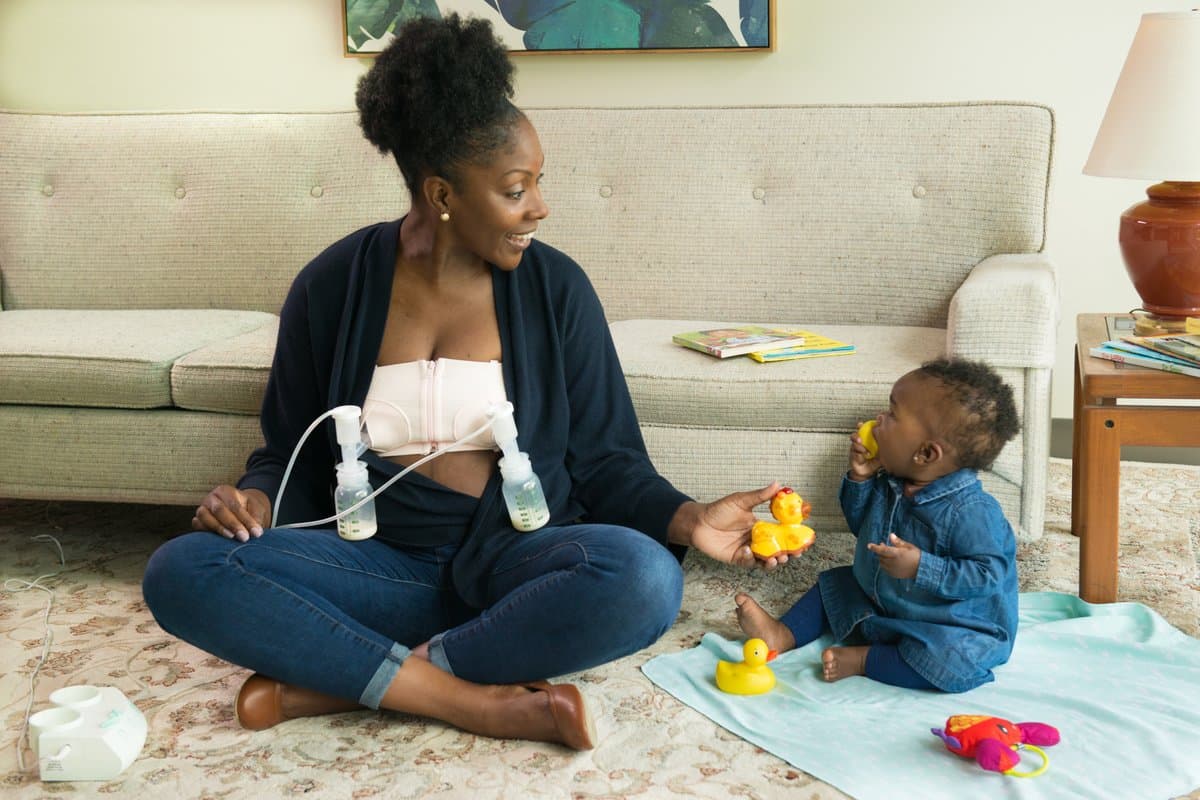
Everything Malaysian moms need to know about choosing a breast pump — electric vs manual, hospital-grade vs personal, open vs closed system, flange sizing, and the features that actually matter for your pumping journey.
Why a Breast Pump Is a Game-Changer for Malaysian Moms
Whether you are heading back to work after maternity leave, building a freezer stash, or relieving engorgement in the early days, a breast pump is one of the most valuable tools in your parenting toolkit. In Malaysia, where maternity leave typically ranges from 60 to 90 days, many moms return to work while still wanting to provide breast milk for their babies. A good breast pump makes that possible.
But choosing the right pump can feel overwhelming. There are dozens of brands, multiple types, and a confusing array of features. This guide breaks it all down so you can make an informed decision based on your actual needs — not marketing hype.
Types of Breast Pumps: Which One Is Right for You?
Manual Breast Pumps
Manual pumps are operated by hand — you squeeze a handle or bulb to create suction. They are small, lightweight, silent, and the most affordable option.
Best for:
- Occasional pumping (once a day or less)
- Relieving engorgement or oversupply
- Travel and on-the-go use
- Budget-conscious moms
Pros:
- Affordable (RM 50–150)
- No batteries or charging needed
- Silent operation
- Compact and portable
Cons:
- Can be tiring for frequent use
- Slower milk expression
- Single-sided only
Single Electric Breast Pumps
Single electric pumps use a motorised unit to express milk from one breast at a time. They offer adjustable suction levels and are significantly faster and more efficient than manual pumps.
Best for:
- Pumping 1–3 times per day
- Stay-at-home moms who want flexibility
- Building a modest milk stash
Pros:
- Faster and more efficient than manual
- Adjustable suction and speed settings
- More affordable than double electric pumps
- Mid-range price (RM 200–600)
Cons:
- Only pumps one side at a time
- Still takes 15–30 minutes per session
Double Electric Breast Pumps
Double electric pumps express milk from both breasts simultaneously. This is the most popular choice for working moms because it cuts pumping time in half and can help maintain milk supply through more efficient emptying.
Best for:
- Working moms who pump at the office
- Exclusive pumpers
- Building a large freezer stash
- Twins or multiples
Pros:
- Pumps both breasts at once (saves 50% of time)
- Better for maintaining milk supply
- Typically more powerful motors
- Often comes with extra features (timer, memory, night mode)
Cons:
- More expensive (RM 500–2,000+)
- Bulkier and heavier
- Requires power outlet or battery pack
Hospital-Grade Breast Pumps
Hospital-grade pumps are the most powerful pumps available. They feature strong, durable motors designed for frequent, heavy-duty use. The term "hospital-grade" refers to the pump's power and the fact that it is designed for multiple users (each mom uses her own personal collection kit).
Best for:
- Moms of premature or NICU babies
- Establishing milk supply in the early weeks
- Moms with low milk supply issues
- Exclusive pumping (6+ sessions per day)
Pros:
- Most powerful suction available
- Highly effective at emptying breasts
- Durable and long-lasting
- Can be rented before committing to a purchase
Cons:
- Expensive to purchase (RM 3,000+)
- Large and not portable
- Often rented rather than bought (RM 100–300/month rental in Malaysia)
Wearable and Hands-Free Pumps
A newer category, wearable pumps fit entirely inside your bra with no external tubes or bottles dangling. Brands like Elvie, Willow, and more affordable options from brands like Momcozy and Tsrete have made hands-free pumping increasingly popular.
Best for:
- Working moms who pump at their desk
- Multitasking while pumping
- Discreet pumping in public or shared spaces
Pros:
- Complete freedom of movement
- Discreet and invisible under clothing
- No tubes or wires to manage
Cons:
- Less efficient than traditional double pumps
- Smaller collection capacity
- Expensive (RM 800–2,500)
- Cleaning multiple small parts
Open System vs Closed System: Why It Matters
This is one of the most important — and most overlooked — features of an electric breast pump.
Closed System (Recommended)
In a closed system pump, there is a physical barrier (typically a membrane or valve) between the milk collection kit and the pump motor. This prevents milk from entering the tubing and motor.
Advantages:
- Hygienic — no risk of milk contamination in the motor
- Easy to clean — only the collection parts need sterilising
- Durable — motor is protected from moisture damage
- Resale value — can be safely shared or sold (with new personal parts)
Open System
In an open system, there is no barrier. Air and milk vapour can travel through the tubing into the motor. Over time, this can lead to mould growth inside the motor housing.
Risks:
- Potential contamination of expressed milk
- Impossible to fully sterilise the motor
- Shorter pump lifespan due to moisture damage
Recommendation: Always choose a closed system pump. Nearly all reputable brands (Spectra, Medela, Pigeon, Philips Avent) now use closed system designs for their personal-use pumps.
Key Features to Look For
Suction Strength and Adjustability
Different moms respond to different suction levels. Look for a pump with multiple suction settings (at least 5–10 levels) so you can find what works for you. Pumping should never be painful — if it hurts, the suction is too high.
Most quality pumps offer suction strength of 150–300 mmHg. Hospital-grade pumps can reach 350+ mmHg, but more is not always better. Your baby's natural suction is only about 80–120 mmHg.
Let-Down Mode (Stimulation Mode)
A good electric pump offers two phases:
- Stimulation phase — faster, lighter suction to trigger the let-down reflex
- Expression phase — slower, stronger suction to drain the breast
This two-phase pumping mimics how a baby nurses and can significantly improve milk output. Most mid-range and premium pumps now include this feature.
Flange Size Options
The flange (also called a breast shield) is the funnel-shaped piece that goes over your nipple. Getting the right flange size is critical for comfort and efficiency.
- Too small — nipple rubs against the tunnel, causing pain and tissue damage
- Too large — too much areola is pulled in, reducing efficiency and causing swelling
- Just right — nipple moves freely without friction; minimal discomfort
Common flange sizes range from 21 mm to 36 mm, with most pumps including a standard 24 mm or 27 mm flange. Measure your nipple diameter (just the nipple, not the areola) before purchasing, and buy additional sizes if needed.
Battery and Power Options
- Mains-powered only — reliable but limits where you can pump
- Built-in rechargeable battery — ideal for working moms; look for 2+ hours of battery life
- AA/AAA batteries — useful as backup but expensive over time
For working moms in Malaysia, a pump with a built-in rechargeable battery is strongly recommended. You may not always have access to a power outlet in a lactation room.
Noise Level
If you will be pumping at work or around a sleeping baby, noise matters. Generally:
- Manual pumps — silent
- Hospital-grade pumps — loudest
- Modern double electric pumps — moderately quiet (comparable to a quiet conversation)
- Wearable pumps — quietest electric option
Portability and Weight
Consider where you will pump most often:
- Home only — weight and size matter less
- Office — you will be carrying the pump daily; look for something under 1 kg
- Travel — compact fold and carrying case are essential
Popular Breast Pump Brands in Malaysia
Spectra
Korean-made Spectra pumps are among the most popular in Malaysia — and for good reason. They offer excellent value, closed-system design, and strong suction.
- Spectra S1 — rechargeable battery, single/double pump, highly recommended for home use
- Spectra S2 — similar to S1 but mains-powered only; slightly cheaper
- Spectra 9 Plus — compact, portable, battery-powered; great for working moms
Price range: RM 500–1,200
Medela
Swiss brand Medela is the gold standard in many hospitals worldwide. Their pumps are known for reliability and research-backed technology.
- Medela Swing Maxi — popular double electric for personal use
- Medela Freestyle Flex — compact, rechargeable, hands-free option
- Medela Symphony — hospital-grade rental pump, often found in Malaysian hospitals
Price range: RM 800–2,000 (personal); RM 3,500+ (Symphony)
Pigeon
Japanese brand Pigeon offers affordable, reliable pumps that are widely available in Malaysian pharmacies and baby stores.
- Pigeon Go Mini — compact single electric pump
- Pigeon Pro 5 — double electric with closed system
Price range: RM 200–700
Philips Avent
Philips Avent pumps are known for their comfortable design and soft massage cushions.
- Philips Avent Comfort Single — affordable, easy to use
- Philips Avent Double Comfort — mid-range double electric
Price range: RM 300–900
Wearable Brands (Elvie, Momcozy, Tsrete)
For moms who want maximum freedom, wearable pumps are a growing segment in Malaysia. Momcozy and Tsrete offer more affordable alternatives to premium brands like Elvie.
Price range: RM 300 (budget) — RM 2,500 (Elvie)
How to Choose: A Quick Decision Guide
| Your Situation | Recommended Type | Example Models |
|---|---|---|
| Occasional pumping (engorgement, dates out) | Manual or single electric | Pigeon Manual, Philips Avent Comfort |
| Stay-at-home mom, pumping 1–2x/day | Single electric | Spectra 9 Plus, Pigeon Go Mini |
| Working mom, pumping 2–3x/day at office | Double electric with battery | Spectra S1, Medela Swing Maxi |
| Exclusive pumper or NICU mom | Hospital-grade rental | Medela Symphony, Spectra S3 |
| Need to pump while working/d multitasking | Wearable hands-free | Momcozy M5, Elvie Pump |
| Twins or multiples | Double electric or hospital-grade | Spectra S1, Medela Symphony |
Pumping Tips for Malaysian Moms
Building a Freezer Stash
If you are planning to return to work, start building a freezer stash 2–4 weeks before your return date. Pump once in the morning (when milk supply is highest) after the first feed. Store milk in:
- Breast milk storage bags — space-efficient, lay flat in freezer
- BPA-free bottles — stackable, reusable
Storage guidelines (from WHO/UNICEF):
| Location | Temperature | Duration |
|---|---|---|
| Room temperature | Up to 25°C | 4 hours |
| Refrigerator | 0–4°C | 72 hours |
| Freezer compartment | -18°C | 3–6 months |
Note: Malaysia's warm climate means the 4-hour room temperature rule should be treated cautiously — if your room is not air-conditioned, use or refrigerate milk within 2 hours.
Pumping at Work: Know Your Rights
Under the Malaysian Employment Act 1955 (as amended in 2022), female employees are entitled to reasonable break times for breastfeeding or expressing milk during working hours. While implementation varies by employer, most progressive companies in Malaysia now provide lactation rooms or at least a private, clean space.
Tips for pumping at work:
- Bring a small cooler bag with ice packs for milk transport
- Keep a spare set of pump parts at the office
- Label your milk with the date and time
- Communicate your pumping schedule with your supervisor
Hands-On Pumping Technique
Research from Stanford University shows that combining pumping with breast massage and hand expression (called "hands-on pumping" or HOP) can increase milk output by up to 48%. The technique involves:
- Massage your breasts before and during pumping
- Compress your breast gently while the pump is running
- Hand express after the pump stops flowing to get the last drops of high-fat milk
This technique is particularly valuable for moms struggling with supply or pumping for premature babies.
Cleaning and Sterilising Your Pump Parts
Proper hygiene is non-negotiable. In Malaysia's humid climate, bacteria and mould grow quickly on damp surfaces.
Daily Cleaning Routine
- Rinse all parts that come into contact with milk under running water immediately after use
- Wash with warm soapy water using a dedicated brush (not your dishwashing sponge)
- Air dry on a clean drying rack — do not use a cloth towel, which can transfer bacteria
Sterilising Options
- Steam steriliser — the most convenient option; many Malaysian moms already have one for bottles
- Boiling — submerge parts in boiling water for 5–10 minutes
- Microwave steriliser bags — convenient for travel or office use
- UV steriliser — growing in popularity in Malaysia; gentle on parts and doesn't cause heat degradation
Important: Only sterilise the parts that actually touch milk (flanges, valves, bottles, connectors). Never submerge the motor unit or tubing (for closed systems, tubing should stay dry).
Common Breast Pumping Mistakes to Avoid
- Using the wrong flange size — the #1 cause of pain and low output. Measure and adjust.
- Pumping on the highest suction — more suction does not mean more milk. Use the highest comfortable setting.
- Inconsistent pumping schedule — your body works on supply and demand. Pumping at roughly the same times each day helps maintain supply.
- Ignoring pump maintenance — replace valves and membranes every 2–3 months. Worn valves dramatically reduce suction efficiency.
- Not storing milk correctly — always label with date, use oldest first (FIFO), and never refreeze thawed milk.
- Comparing your output to others — every mom's body is different. Pump output does not equal milk supply. A baby is far more efficient than any pump.
Budget Considerations for Malaysian Families
Breast pumps range widely in price. Here is a rough guide:
| Budget Range | What to Expect |
|---|---|
| Under RM 200 | Manual pumps; basic single electric |
| RM 200–600 | Good single electric pumps; entry-level double electric |
| RM 600–1,200 | Quality double electric pumps (Spectra, Medela entry models) |
| RM 1,200–2,500 | Premium double electric; mid-range wearable pumps |
| RM 2,500+ | Hospital-grade purchase; premium wearable pumps (Elvie) |
Money-saving tips:
- Consider renting a hospital-grade pump for the first 1–2 months before buying a personal pump
- Look for bundle deals during Malaysia's major sales (Mega Sale, 11.11, 12.12)
- Buy once, buy right — a quality double electric pump will last through multiple children
- Check if your health insurance or employer offers lactation support benefits
The Bottom Line
There is no single "best" breast pump — only the best pump for you. The right choice depends on:
- How often you will pump
- Where you will pump (home, office, on the go)
- Your budget
- Your milk supply goals (exclusive pumping vs supplementation)
For most Malaysian working moms, a double electric pump with a built-in rechargeable battery and closed system (like the Spectra S1 or Medela Swing Maxi) hits the sweet spot of efficiency, convenience, and value. Add a manual pump as a backup, and you are set for your entire breastfeeding journey.
Remember: any breast milk you provide for your baby is valuable, whether it is exclusively pumped, directly breastfed, or a combination. The pump is just a tool — your commitment is what matters.