Baby Bottle Sterilizer Buying Guide for Malaysian Parents (2026)
14 July 2026
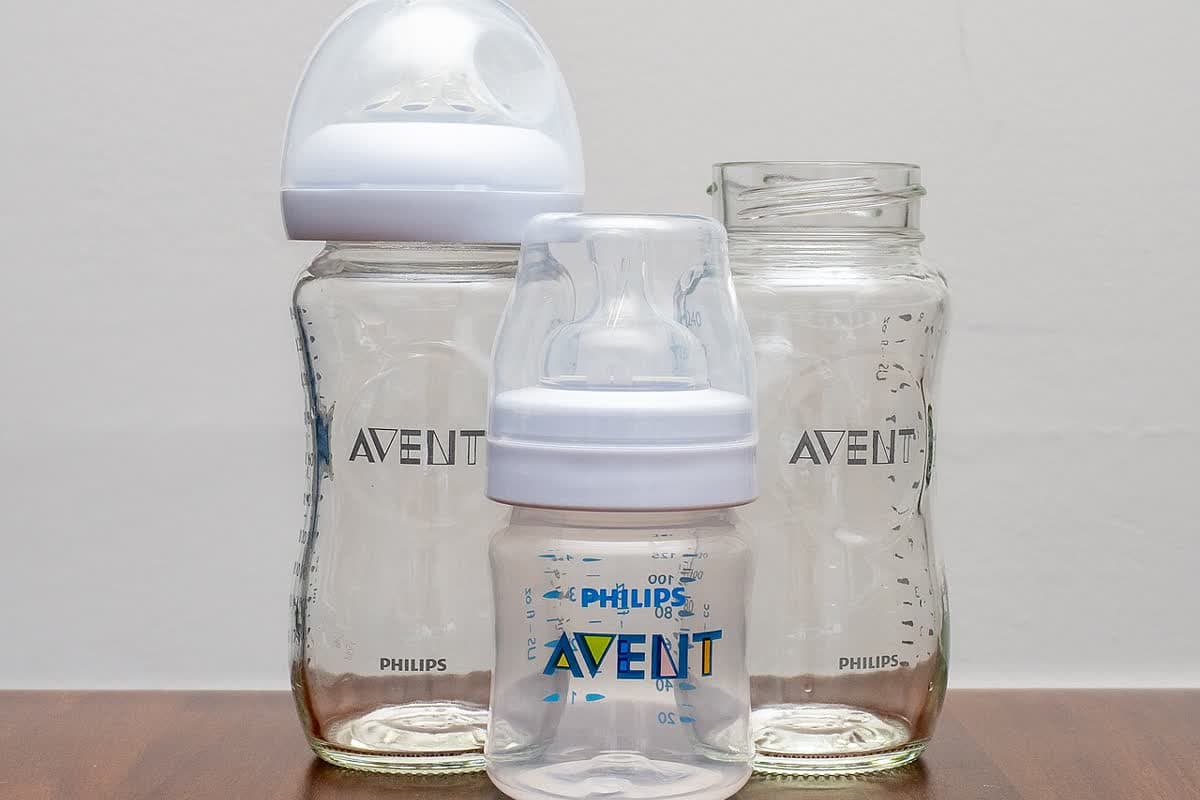
Everything Malaysian parents need to know about choosing a baby bottle sterilizer — from steam and UV to microwave models. Compare types, features, prices, and top brands available in Malaysia.
Becoming a parent introduces you to a world where cleanliness is no longer just about appearances — it becomes a matter of protecting your little one's fragile immune system. Among the many baby essentials you'll shop for, a baby bottle sterilizer is one that often sparks the most questions. Do you really need one? Which type is best? How much should you spend?
This comprehensive guide breaks down everything Malaysian parents need to know about baby bottle sterilizers in 2026 — the types available, key features to look for, price ranges you can expect, and practical tips to help you make the right choice.
Why Sterilize Baby Bottles?
A newborn's immune system is still developing during the first few months of life. Harmful bacteria, viruses, and parasites can linger on improperly cleaned feeding equipment, potentially causing stomach infections, diarrhoea, and other illnesses.
Sterilizing baby bottles, nipples, pacifiers, and breast pump parts ensures that 99.9% of harmful germs are eliminated before each feed. While thorough washing with soap and hot water removes most bacteria, sterilization provides that extra layer of protection — especially important for:
- Babies under 3–6 months whose immune systems are still immature
- Babies born premature or with health complications
- Homes in humid climates like Malaysia's, where bacteria multiply rapidly
- Shared feeding situations where multiple caregivers handle bottles
Malaysia's Climate Factor
Let's be honest — Malaysia's hot and humid weather creates the perfect breeding ground for bacteria. Bottles left unwashed for even a short time in our climate can develop biofilm and bacterial growth faster than in cooler, drier countries. This makes having a reliable sterilizer not just a convenience, but practically a necessity for Malaysian parents.
Types of Baby Bottle Sterilizers
There are three main types of baby bottle sterilizers available in Malaysia, each with its own advantages and limitations.
1. Electric Steam Sterilizers
Electric steam sterilizers are the most popular choice among Malaysian parents. They work by heating water to produce steam, which reaches temperatures above 100°C — hot enough to kill virtually all bacteria, viruses, and other microorganisms.
How they work: You add water to the base, load your bottles and accessories, switch it on, and the unit does the rest in about 6–12 minutes.
Pros:
- Kills 99.9% of germs using high-temperature steam
- Fast cycle times (typically 6–12 minutes)
- Keeps contents sterile for up to 24 hours if the lid stays closed
- Easy to use — just add water and press a button
- Fits multiple bottles and accessories at once
Cons:
- Requires a power outlet
- Some models don't have a drying function (wet bottles after sterilizing)
- Mineral scale buildup from tap water requires regular descaling
- Takes up counter space
Best for: Daily home use; parents who want a straightforward, reliable sterilizing method.
Popular models in Malaysia:
- Philips Avent Premium Bottle Steriliser & Dryer (~RM489)
- Tommee Tippee Closer to Nature Electric Steam Sterilizer (~RM229)
- NUK Vapor Rapid Steam Sterilizer (~RM239)
- Pigeon Electric Steam Sterilizer (~RM250–RM350)
2. UV Sterilizers
UV sterilizers represent the newer generation of baby bottle hygiene. Instead of steam, they use UV-C ultraviolet light to destroy the DNA of bacteria and viruses, preventing them from reproducing.
How they work: Place items inside the chamber, and UV-C lamps expose every surface to germicidal light. Many models also include drying and storage functions.
Pros:
- Waterless — no steam, no wet bottles
- Gentler on items that may warp with heat
- Often doubles as a drying cabinet and storage unit
- Can sterilize items beyond bottles: phones, keys, toys, remote controls
- No descaling needed
Cons:
- More expensive than steam sterilizers
- UV light only disinfects surfaces it directly reaches (shadows are a problem)
- Slower cycle times (15–30 minutes typical)
- UV lamps degrade over time and need replacement
- May not reach the same kill rate as steam for certain heat-resistant bacteria
Best for: Parents who want a multi-purpose unit, families who travel with lots of gadgets, and those who prefer waterless sterilizing.
Popular models in Malaysia:
- Tommee Tippee Ultra UV Steriliser, Dryer and Storage (~RM699)
- Haenim 4G+ Smart Classic UVC LED Steriliser (~RM800–RM1,200)
- Spectra UV Sterilizer (~RM500–RM700)
- Hanil UV Sterilizer Dryer (~RM1,299)
3. Microwave Sterilizers
Microwave sterilizers are the budget-friendly, space-saving option. They use the heat from your microwave to turn a small amount of water into steam, sterilizing bottles in just a few minutes.
How they work: Add a small amount of water to the tray, load your bottles, close the lid, and microwave for 2–6 minutes depending on wattage.
Pros:
- Most affordable option (often under RM150)
- Compact and lightweight — great for small kitchens and travel
- No electrical components to break
- Very fast (as little as 2 minutes in a high-wattage microwave)
- Uses steam, so achieves the same 99.9% kill rate as electric steam models
Cons:
- Limited capacity — usually fits 4 bottles maximum
- You need a microwave (not every kitchen has one)
- Bottles come out hot and wet
- No drying or storage function
- Cannot be used with metal or some silicone parts that aren't microwave-safe
Best for: Budget-conscious parents, those with limited kitchen space, and as a travel companion.
Popular models in Malaysia:
- Philips Avent Microwave Steam Sterilizer (~RM169)
- Tommee Tippee Closer to Nature Microwave Sterilizer (~RM120–RM150)
- Pigeon Microwave Sterilizer (~RM100–RM130)
Steam vs. UV vs. Microwave: Quick Comparison
| Feature | Electric Steam | UV | Microwave |
|---|---|---|---|
| Price range | RM200–RM500 | RM500–RM1,300 | RM100–RM170 |
| Cycle time | 6–12 min | 15–30 min | 2–6 min |
| Drying function | Some models | Most models | No |
| Storage function | Limited (up to 24h) | Yes (up to 72h) | No |
| Capacity | 5–9 bottles | 4–6 bottles | 4 bottles |
| Versatility | Bottles & pump parts | Bottles, toys, phones, keys | Bottles only |
| Maintenance | Descaling needed | Lamp replacement | Minimal |
| Portability | Low | Low | High |
| Power required | Wall outlet | Wall outlet | Microwave only |
Key Features to Look For
When comparing sterilizers, keep these features in mind:
Capacity
How many bottles do you go through in a day? If you're exclusively bottle-feeding, you'll want a unit that holds at least 6 bottles plus accessories. Look for models with adjustable racks so you can fit different bottle sizes and breast pump parts.
Drying Function
Wet bottles can harbour bacteria the moment they're exposed to air. A built-in HEPA-filtered drying function ensures bottles come out dry and ready to use, eliminating the need for a separate drying rack.
Storage Mode
Some premium sterilizers keep contents sterile for up to 24–72 hours with periodic re-sterilization cycles. This is incredibly convenient — you can sterilize a batch of bottles at night and have them ready throughout the next day.
Auto Shut-Off
Safety first. An automatic shut-off feature prevents overheating and saves energy, giving you peace of mind if you get distracted (which, let's face it, happens a lot with a baby).
Material Safety
Ensure all components that come into contact with your baby's bottles are BPA-free and made from food-grade materials. This is non-negotiable.
Ease of Cleaning
The sterilizer itself needs cleaning. Look for models with removable parts and wide openings that are easy to wipe down. For steam sterilizers, check how easy the descaling process is.
All-in-One vs. Single-Function: Which Is Better?
In recent years, all-in-one devices that wash, sterilize, dry, and store have entered the Malaysian market. Models like the Momcozy KleanPal Pro (around RM1,290) offer automatic bottle washing with multi-jet spray systems, steam sterilization, HEPA-filtered drying, and 72-hour sterile storage.
Are they worth it? If you're a busy parent who hates washing bottles by hand multiple times a day, an all-in-one system can be a lifesaver. However, they come at a premium price and take up significant counter space. If you're on a budget or have limited kitchen space, a simple steam or microwave sterilizer will still get the core job done.
Multi-Function Hybrids
Some sterilizers also double as bottle warmers or food heaters. The Beaba Bib Seconds 3-in-1 (~RM475) serves as a sterilizer, bottle warmer, and baby food heater. The Autumz 2-in-1 (~RM160) combines a sterilizer with a bottle warmer — a great space-saver for smaller homes.
Where to Buy Baby Bottle Sterilizers in Malaysia
Malaysian parents have no shortage of shopping options:
- Shopee Malaysia — Widest selection, frequent sales (Mega Campaigns, Pay Day Sales), competitive pricing. Look for Official Stores from brands like Pigeon, Philips Avent, and Tommee Tippee for authenticity.
- Lazada Malaysia — Similar range to Shopee, often with bundle deals. LazMall guarantees authentic products.
- Physical baby stores — Kiddy Palace, Mamours, Happikiddo, and Motherhood stores let you see the unit in person before buying.
- Department stores — Jusco, Parkson, and Isetan sometimes carry popular brands, often with in-store promotions.
- Direct from brands — Pigeon Malaysia (pigeon.com.my) and Philips Malaysia both sell directly through their websites.
Price Tips
- Sales to watch: Shopee and Lazada Mega Campaigns (typically March, June, August, November, December) offer the biggest discounts — sometimes 20–40% off.
- Bundle deals: Many sellers bundle sterilizers with free bottles, brushes, or bottle warmers.
- Warranty: Check that your purchase includes a local warranty. Products shipped from overseas may be cheaper but harder to service.
When Can You Stop Sterilizing Bottles?
This is one of the most common questions Malaysian parents ask. While there's no single universally agreed-upon age, most health professionals offer this guidance:
- 0–3 months: Sterilize every bottle, every time. No exceptions.
- 3–6 months: Continue sterilizing if your baby was premature, has health issues, or if you want to be extra cautious.
- 6–12 months: Many paediatricians say thorough washing with hot soapy water is sufficient for healthy babies over 6 months, as their immune systems have matured significantly. However, continuing to sterilize doesn't hurt.
- Beyond 12 months: Most experts agree sterilization is no longer necessary for healthy toddlers. Focus on good cleaning practices instead.
The Malaysian context: Given our humid climate and the higher risk of bacterial growth, many Malaysian paediatricians recommend sterilizing until at least 6 months, and some suggest continuing until 12 months for added safety. Always follow your own paediatrician's advice.
Tips for Maintaining Your Sterilizer
A sterilizer only works well if it's well-maintained. Here's how to keep yours in top condition:
- Descale regularly (steam models): Use a 1:1 white vinegar and water solution or a commercial descaling powder. Run an empty cycle, then rinse thoroughly. Do this every 2–4 weeks depending on your water hardness.
- Clean the heating plate: Wipe the heating element after each use to prevent mineral buildup.
- Check UV lamps (UV models): UV-C lamps typically last 6,000–10,000 hours. Most units will alert you when it's time to replace them.
- Keep the door/lid open between cycles to prevent moisture buildup and mould.
- Wash accessories: Tongs, baskets, and trays should be washed regularly with warm soapy water.
- Use filtered or distilled water in steam sterilizers to reduce scaling — a tip especially relevant in areas of Malaysia with hard water.
Common Mistakes to Avoid
- Sterilizing unwashed bottles: Sterilizing is not a substitute for cleaning. Always wash bottles thoroughly with bottle cleanser and a bottle brush before sterilizing.
- Overloading the sterilizer: Cramming too many items in prevents steam or UV light from reaching all surfaces. Follow the manufacturer's capacity guidelines.
- Ignoring manufacturer instructions for different bottle materials: Some bottles and pump parts aren't heat-safe. Check that all items are compatible with your sterilizer's method.
- Forgetting to clean the sterilizer itself: A dirty sterilizer can introduce more bacteria than it kills.
- Storing bottles improperly after sterilizing: If you don't have a storage mode, assemble bottles and store them in a clean, covered container.
Frequently Asked Questions
Can I sterilize breast pump parts?
Yes. Most electric steam and UV sterilizers accommodate breast pump parts. Just make sure all parts are disassembled and placed so that steam or UV light reaches every surface.
Is UV sterilization as effective as steam?
UV-C light is highly effective against most bacteria and viruses. However, it only disinfects surfaces the light directly reaches. Steam, being a gas, penetrates more uniformly. For maximum effectiveness, some parents use steam for bottles and UV for accessories like phones, keys, and toys.
Are portable UV sterilizer wands safe for baby items?
Portable UV wands can be useful for on-the-go sanitizing, but they require careful use — you must hold the wand close to the surface and move slowly for adequate exposure. They're not a replacement for a proper sterilizer.
How much should I spend?
For most Malaysian parents, a good electric steam sterilizer in the RM200–RM500 range will meet all daily needs. If you want UV technology with drying and storage, budget RM500–RM1,300. Microwave sterilizers under RM170 are great as a backup or travel option.
Do I need a sterilizer if I'm breastfeeding?
If you're exclusively breastfeeding and not using bottles, you don't need a bottle sterilizer. However, if you're pumping, you'll want to sterilize pump parts and storage bottles regularly. Many breastfeeding moms find a sterilizer invaluable for this purpose.
Final Thoughts
Choosing the right baby bottle sterilizer comes down to your lifestyle, budget, and personal preferences. There's no single "best" option — only the best option for your family.
- Go electric steam if you want reliability, speed, and value for money.
- Go UV if you want a multi-purpose unit with drying and storage that handles more than just bottles.
- Go microwave if you're on a budget, short on space, or need something portable.
Whatever you choose, remember that the best sterilizer is the one you'll actually use consistently. A RM1,300 unit that sits in the box is less effective than a RM130 microwave sterilizer that gets used after every feed.
For Malaysian parents navigating the overwhelming world of baby gear, a good sterilizer is one investment that brings genuine peace of mind. In our humid climate where bacteria thrive, it's not just a nice-to-have — it's a practical tool that helps protect your baby during those vulnerable early months.
Have questions about choosing a sterilizer? Drop a comment below or check out our other baby gear guides for more tips tailored to Malaysian parents.